
How To Choose The Best Sunscreen For Dry Skin
Dry skin can feel tight or uncomfortable after sun exposure, especially when sunscreen formulas lack moisturizing ingredients. Sunscreens designed for dry skin often include hydrating components and nourishing textures that help maintain moisture while delivering Broad Spectrum SPF protection.
Knowing what to look for in a sunscreen formula can help you choose one that keeps skin feeling soft and comfortable in the sun.
Why dry skin benefits from hydrating sunscreen formulas
The skin is your top layer of defense against germs, sun damage, and dehydration.1 It locks in moisture and keeps infections out. Dry skin could lower your skin’s effectiveness.
Hydrating sunscreens keep your skin soft while protecting against the sun’s UV rays. If you already have dry skin without applying sunscreen, finding the right formula becomes even more important because sun damage lowers your skin barrier’s protective properties.
The best SPF sunscreen for dry skin provides:
- Skin barrier support that strengthens the skin during outdoor activities
- A preventative measure against tightness or flaking
- Deep hydration that could last for hours
- Non-greasy protection while feeling comfortable
- Gentle ingredients that don’t irritate skin
- Capability for layering with hydrating products
Sunscreen formulas can vary, and the right choice often comes down to personal preference. Lightweight formulas tend to absorb quickly and feel weightless on the skin, while cream or sunscreen lotions provide a more moisturizing feel. Finding a sunscreen that feels comfortable for your skin type can make it easier to wear SPF consistently and make it a part of a daily routine.

Ingredients to look for in sunscreen for dry skin
The ingredients in a sunscreen formula can make a noticeable difference for dry skin. Some sunscreen ingredients help attract and retain moisture, while others support the skin barrier or help defend against environmental stressors.
Hyaluronic Acid
Hyaluronic Acid helps attract and retain moisture in the skin, supporting hydration throughout the day. Consider any of COOLA’s SPF moisturizers to fit your active lifestyle and help keep your skin soft in the sun.
Plant-Derived Oils
Plant-derived oils can help nourish dry skin and support moisture levels. Oils such as Jojoba, Argan, Coconut, Buriti, and Meadowfoam Seed Oil contain fatty acids that help condition the skin and contribute to a smoother, more comfortable feel when included in SPF skincare formulas.2
Antioxidants
Antioxidants help prevent oxidative stress caused by free radicals that can damage the skin and your body. Vitamin E (tocopherols) and niacinamides (vitamin B3) are two of the most common antioxidants found in sunscreen lotion for dry skin.
Moisturizing botanical extracts
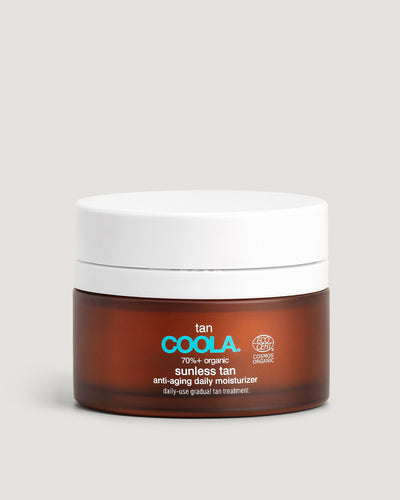
Aloe Vera is commonly used in hydrating skincare because it helps attract and retain moisture, including in products like our self-tanning face moisturizer. Other botanical extracts, such as chamomile, oat extract, cucumber, and rosehip oil, have fatty acids that improve moisture levels in the skin.3
Humectants like glycerin
Humectants, as active ingredients, attract moisture to your skin to help hydrate the outer skin layer and keep it plump. Look for organic Glycerin to soften skin and strengthen your moisture barrier, and Hyaluronic Acid to deliver an additional surge of lasting hydration.
Choosing the best face and body sunscreen for dry skin
Dry skin can vary across different areas of the body. Facial skin is often more delicate, while areas like the arms and legs may need broader coverage during extended time outdoors.
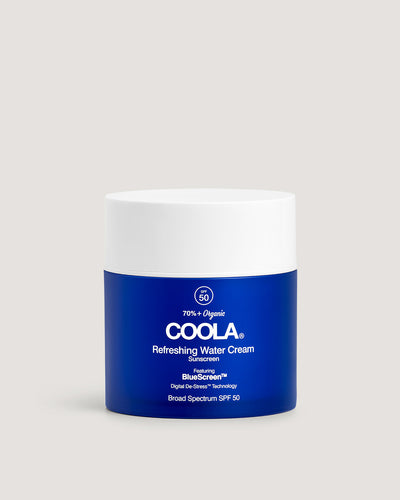
Find face SPF formulas that go on easily and effortlessly, such as our Refreshing Water Cream that offers 24+ hours of deep hydration and SPF 50 protection in a single step. Other options include our dewy glow serum and firming face oil with SPF, both of which provide a lightweight finish for everyday wear.
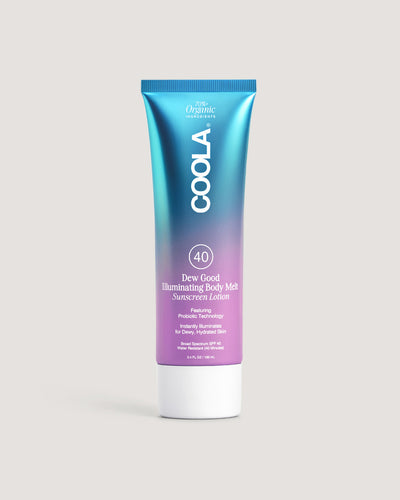
For body sunscreens, search for hydration and full coverage, whether you spend a few hours outdoors, head to the beach all day, or need extra sun protection in the winter. Hydrating formulas like our glowy body sunscreen combine hydration with SPF in a lightweight body lotion.
How to layer sunscreen into your routine
Adding sunscreen to your morning routine is simple, especially when it’s layered with your existing skincare steps.
- Start with clean skin so your skincare products can absorb properly.
- Apply moisturizer, if needed, to help maintain hydration.
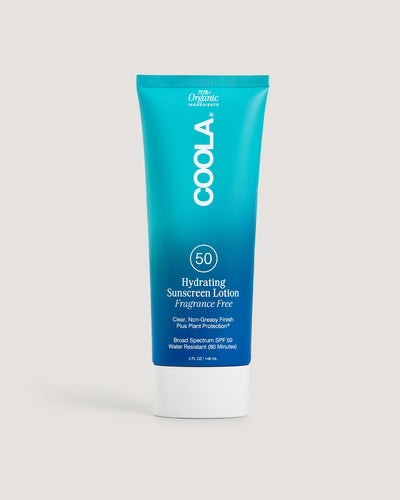
- Finish with a fragrance-free hydrating SPF as the final step in your routine.
Pro tip: Wait two to five minutes between each step to give your skin time to absorb each product.
We recommend reapplying sunscreen every two hours to maintain protection. Reapply SPF immediately after swimming, sweating, or toweling off.
FAQs
Can I use tinted sunscreens for dry skin?
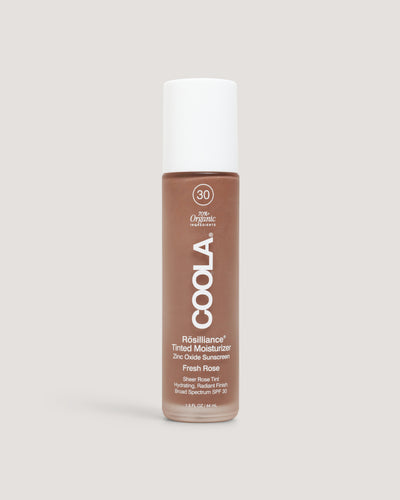
Yes, you can use tinted moisturizer with SPF for its hydrating, mineral-based formula that moisturizes and protects your skin at the same time.
Are there sunscreens for dry skin that are fragrance-free?
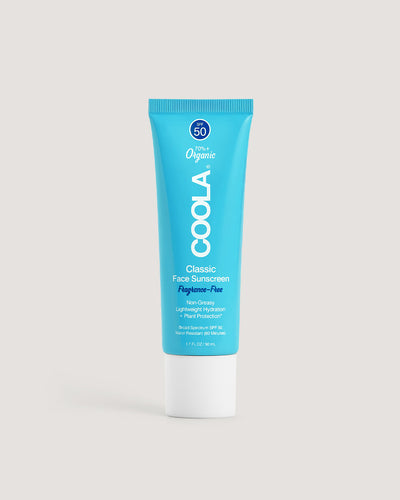
Yes, there are many effective sunscreen products formulated for dry skin, including fragrance-free options. Our fan favorite fragrance-free face sunscreen is made with organic glycerin and feels as lightweight as a moisturizer, making it a great option for dry facial skin.
What type of sunscreen works best for mature dry skin?
Hydrating SPF formulas are often a good choice for mature dry skin. Ingredients like Hyaluronic Acid and nourishing oils help support moisture, while lightweight options like our Anti-Aging Sun Silk Drops provide daily sun protection with a smooth finish.
Sources:
- Whitbourne, Kathryn, and Zilpah Sheikh, MD. “An Overview of the Skin.” WebMD, October 29, 2024. https://www.webmd.com/beauty/cosmetic-procedures-overview-skin
- Abdalla, Sarah, et. al. “A Comprehensive Review of Plant-Based Cosmetic Oils (Virgin Coconut Oil, Olive Oil, Argan Oil, and Jojoba Oil): Chemical and Biological Properties and Their Cosmeceutical Applications.” ACS Omega. Oct. 25, 2024. https://pmc.ncbi.nlm.nih.gov/articles/PMC11541506/
- Michalak, Monica. “Plant Extracts as Skin Care and Therapeutic Agents.” International Journal of Molecular Sciences. Oct. 22, 2023. https://pmc.ncbi.nlm.nih.gov/articles/PMC10607442/
Shop Our Featured Products