
Should You Wear Sunscreen in the Winter?
The winter months offer several challenges for your skincare routine, including drier air, colder temperatures, and cold and flu season. Having a powerful SPF as part of your skincare routine may not be at the top of your mind with everything else you need to pay attention to.
But before you send your sunscreen into hibernation for the winter, we’ll take a closer look at the importance of seasonal suncare in winter and daily protection.
Our team digs into whether you should wear sunscreen in the winter, the risks posed by UV rays in colder weather, and what to look for when choosing a sunscreen in winter. We wrap it up with practical tips for incorporating sunscreen into your winter skincare routine and some FAQs.
Misconceptions about sunscreen in winter
Winter doesn’t usually conjure up images of sunny days and sunscreen (unless you’re in Florida, southern Texas, or SoCal). You probably think more about snowmen, school cancellations, or whether your car will start in sub-freezing weather.
But just because the sun is lower in the sky, that doesn’t mean you should skip your SPF for winter.
UVA rays are why you should wear sunscreen in the winter
There are two types of ultraviolet rays: UVA and UVB.
UVB rays cause issues like redness and sunburn. They are strongest from early spring to early fall, when sunlight shines more directly on the earth. Even though UVB rays are weaker in winter, you should still wear your daily SPF or mineral sunscreen.
UVA rays penetrate the skin more deeply than UVB. UVA rays remain strong throughout the year. These are also the rays that can contribute to skin cancers, including melanoma.
UVA rays are so intense that they penetrate glass. So, if you’re snuggled up with the latest bestseller next to a window, your skin absorbs those rays, and that’s why you should wear sunscreen indoors. Commuting or running errands? Your car’s untinted windows and the windshield don’t block UVA rays on winter days.
You still need broad-spectrum sunscreen to protect your skin from winter sun exposure. But protecting your skin from harmful UVA rays is just the start. The right SPF for winter can make a difference to your skincare routine.

3 reasons why sun protection matters in cold weather
Using high-quality sunscreen helps your skin year-round. However, winter presents its own unique skincare challenges. Strengthening your skin barrier assists with your cold-weather routine in three main ways.
Winter is tough on skin
Cooler temperatures bring drier air, and that dries out your skin. Add wintry winds and low humidity, and you may need more moisture than usual to keep your skin soft and supple. Using sunscreen as your final skincare step locks in moisture and can even enhance your skin’s hydration. It also protects your skin from additional sun damage.
Your SPF doesn’t stick around
We all know how summer activities like swimming and sweating can cause your sunscreen to wear off quickly. Did you know that a cloudy day can cause similar issues?
Harsh weather can weaken your SPF for winter as much as the humid days of summer. Reapply your sunscreen as recommended, usually every two hours, when in sunlight for extended periods, to protect your skin from harmful UV rays.
Prevent skin damage and premature aging
SPF protection should be a year-round part of your skincare routine to prevent long-term damage and premature aging. Sunny, cloudy, hot, or cold, ultraviolet radiation is still hitting the earth and your skin. Using sunscreen of SPF 30 or higher year-round can reduce your risk of skin cancer and prevent premature aging lines and UV damage to your skin.
Protecting your skin is essential at all times. But modern sunscreens with high-quality ingredients, like those offered by COOLA, often have complementary skincare benefits. You can easily turn your protection into prevention and even anti-aging treatments.
How to choose the right sunscreen for winter
Now you understand why wearing sunscreen in the winter is important. The next step is to find your perfect cold-weather formula.
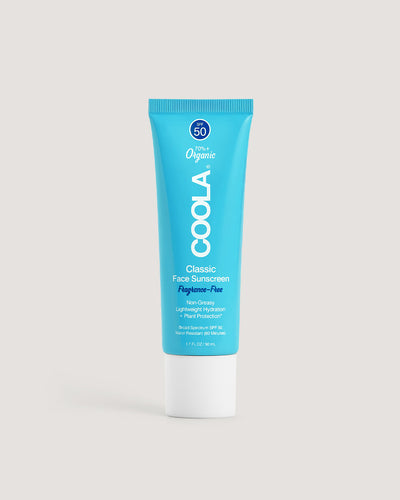
Our Classic Fragrance-Free Face Sunscreen Lotion is ideal for active days or just everyday use. It will keep your skin hydrated and protected, thanks to its light-as-a-moisturizer feel. We highly recommend selecting a sunscreen lotion with a hydrating formula to keep skin soft and supple all day long.
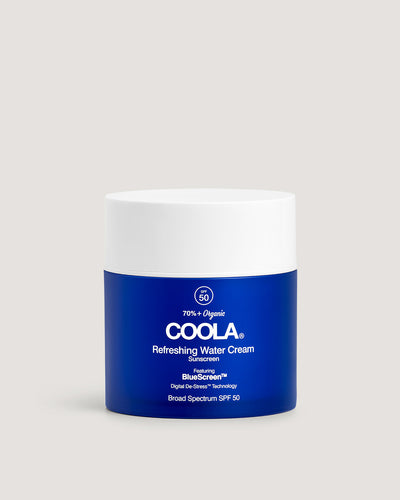
If you want a boost of hydration, our Refreshing Water Cream delivers a double dose of moisturizing ingredients, plus powerful SPF 50 protection. This line of products offers the perfect combination of benefits for harsh winter weather and sensitive skin.
Don’t have time in your busy schedule for a more elaborate skincare routine? Keep it quick (and still moisturized) with our Refreshing Water Stick. It’s infused with hydration-boosting hyaluronic acid and refreshing coconut water.
Go for simplicity and broad coverage thanks to a quick spritz of our Face Sunscreen Mist. This spray provides SPF 50 protection in seconds, and you don’t have to spend a few minutes slathering lotion over your neck, face, and forehead.
Our Firming Face Oil gives you the best of both worlds between a lotion and a spray. It’s light as a feather but gives you complete control over how you want it to cover your face. Check out our other sunscreen oils to pick out one for your face or body.
How to incorporate sunscreen into your winter skincare routine for year-round sun protection
Sunscreen is just one layer of your skincare routine when it’s summertime. Your routine is no different in the winter, except you need extra moisturizing to keep your skin from drying out. Read some relevant ways to winter-proof your skin when it’s feeling frosty out.
Prioritize hydration
Winter weather is notorious for sapping your skin of moisture. So, finding a hydrating formula is vital to your daily routine. This is the perfect time to use more hydrating products in your routine, from cleansers and sunscreens to nourishing serums.
Treat your skin extra gently during the winter months, including using extra-moisturizing skincare products. Consider COOLA’s Dew Good Illuminating Serum as a start. It helps give your skin that radiant glow while locking in moisture.

Winterize your skincare routine
Just as you should winterize your car or home for colder weather, your skincare routine needs a bit of tweaking to maintain your skin’s brightness.
Follow this four-step routine for top results:
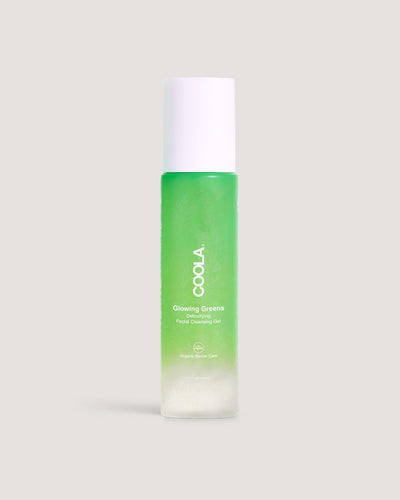
- Start by cleansing your skin. Use a gentle cleanser to remove excess impurities, dirt, and oil. If you have dry skin, consider a creamier winter cleanser that can infuse your skin with moisture.
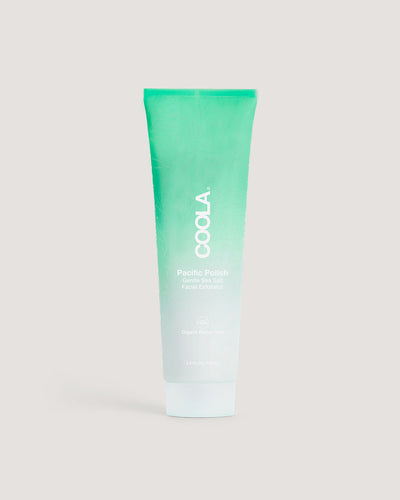
- Gently exfoliate your skin after cleansing to remove dead skin cells and boost your skin’s glow. Exfoliation helps your skin to more readily accept moisturizers, SPF, and serums.
- Always moisturize after cleansing and exfoliating. Don’t skip your moisturizer in the winter months, no matter your skin type. Your skin will thank you for it!
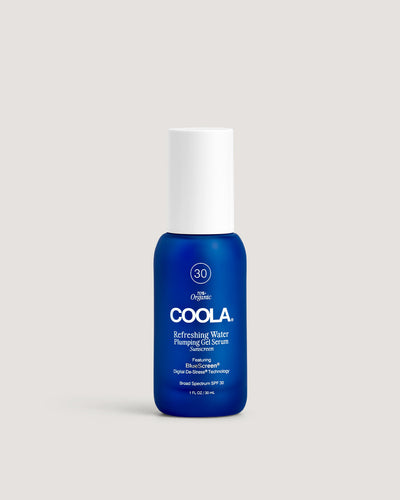
- During the day, use a quality sunscreen of SPF 30 or higher to protect your skin from UVA and UVB rays. Applying sunscreen every day in winter can help to lock in moisture, especially if you’re using a hydrating formula like our Refreshing Water Plumping Gel Serum. You could reduce irritation and dryness, giving you healthy, comfortable, and worry-free skin all winter long.
FAQs for wearing sunscreen in winter
Do I need to wear sunscreen after it snows in winter?
Yes. Snow can reflect up to 80% of UV radiation, increasing your risk of sun damage.1
Do winter clouds reflect UV rays?
Winter clouds reduce UV rays by about 30 to 50%.2 Thicker clouds allow only 30% of UV rays through. Partly cloudy days only reduce UV rays a little, so you still need to wear sunscreen in winter, no matter what.
Why should you wear sunscreen in the winter indoors?
UVA rays pass through windows, unlike UVB rays. UVA rays are the ones that can penetrate skin and cause long-term sun damage and skin cancer. Another reason you need sunscreen in the winter is if you use products containing retinol (vitamin A). Retinols may make your skin more sensitive to sunlight exposure, even indoors.
Sources:
- Skin Cancer Foundation. Even Snow Days Are Sun Days. Skincancer.org. Published January 2023. https://www.skincancer.org/blog/even-snow-days-sun-days/
- JAMA Dermatology. Environmental Cues to UV Radiation and Personal Sun Protection in Outdoor Winter Recreation. Pmc.ncbi.nlm.nih.gov. Published May 2012. https://pmc.ncbi.nlm.nih.gov/articles/PMC3364536/
Shop Our Featured Products