
How To Choose the Best Sunscreen for Oily Skin
Sunscreen is a daily essential for everyone, even if you have oily skin. We get it, it’s common to be concerned about greasy products that can clog your pores. It’s even more worrying if you’re prone to breakouts.
Thankfully, finding sunscreen for oily skin isn’t as tricky as you might think. You’re looking for non-comedogenic, lightweight formulas that protect while nourishing the skin, not clogging it. Follow our guide to finding face sunscreen for oily skin to nurture your glow.
Why oily skin still needs daily sunscreen
Sunscreen for oily skin is so important because ultraviolet (UV) light damage affects all skin types. Without protection, sun exposure could increase risks of skin cancer, hyperpigmentation, and accelerated signs of aging.
Oily skin is caused by the production of sebum, which has a role as a defense mechanism for your skin.1 While a little sebum helps protect against bacteria, too much causes blemishes and acne. Avoiding sunscreen, however, makes things worse. UV light can cause inflammation and stimulate sebum production.2 It can even exacerbate scars or marks left by acne.
Despite whatever you’ve been told in the past, oily skin doesn’t protect you against UV damage, and the sun doesn’t dry out oily skin. What you need is a non-comedogenic, lightweight sunscreen for oily skin that’s suitable for daily wear.
What to look for in a sunscreen for oily skin
Not all of the best products will describe themselves as a face sunscreen for oily skin. To figure out if it’s the best choice for your skin type, look for SPF products with:
- Oil-free formulas: Facial sunscreen for oily skin should have zero added oils.
- Lightweight, fluid textures: Lotions with a light texture won’t clog your pores like greasy creams.
- Non-comedogenic labeling: Non-comedogenic SPF products are less likely to block your pores and cause breakouts.
- Broad-spectrum SPF 30+: Broad-spectrum sunscreen mitigates damage from both UVA and UVB light.
- Fast-absorbing finish: Sunscreens that soak in quickly leave your skin feeling light and refreshed, not heavy and greasy.
- Matte or natural finish: A mattifying primer with SPF can help blur the look of pores, control excess oil, and create a smooth, shine-free base for makeup.

Why non-comedogenic matters for oily skin
Products labeled non-comedogenic are formulated to help avoid clogging pores when used correctly. You’ve likely seen the term on foundations and moisturizers, and it’s especially important when choosing sunscreen for oily or breakout-prone skin.
“Oil-free” and “non-comedogenic aren’t interchangeable terms, although a product could carry both labels. An oil-free product contains no oils at all, while a formula designed not to clog pores may include small amounts of certain oils that won’t contribute to congestion.
When pores and hair follicles become blocked with excess oil and debris, blemishes and breakouts can follow. This is because your pores are part of your skin’s natural mechanism for getting rid of dead skin cells. When they become blocked, the dead skin and sebum build up, causing inflammation, blemishes, and even acne.3
If you’re prone to breakouts, understanding how sunscreen interacts with acne-prone skin can help you choose formulas that support clearer-looking skin.
Choosing between lotion, gel, or spray sunscreen
For many people, a lightweight, fast-absorbing sunscreen lotion for oily skin is beneficial because it offers protection without clogging pores. Sunscreen lotions provide your skin with balanced hydration, making them good for both oily and combination skin.
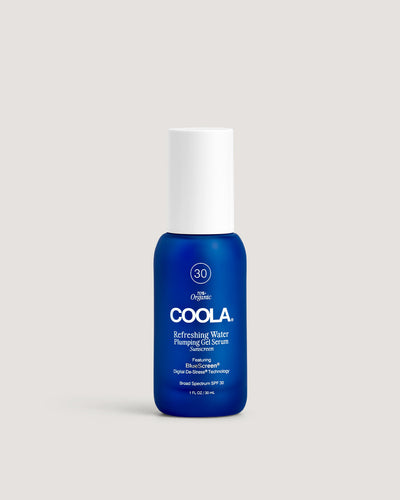
Gel or water-based sunscreens are excellent for very oily or acne-prone skin. Our Refreshing Water Plumping Gel Serum is a great option because it is clinically proven to hydrate skin for 24+ hours with just one application.
Spray sunscreen offers the convenience of fast reapplication when you’re out and about. Sprays and mists often have a wonderfully light texture, ideal for supporting oily skin.
The best sunscreen for oily skin is one that:
- Feels comfortable
- Won’t pill beneath your makeup
- Won’t create or add to shine
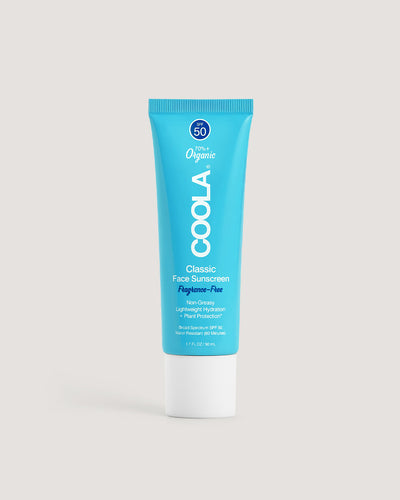
If you have sensitive, oily skin, a fragrance-free face sunscreen lotion can help provide gentle, broad-spectrum SPF protection without overwhelming your skin.
How to apply sunscreen without making oily skin greasier
Your step-by-step supportive guide for oily skin:
- Start with a gentle cleanser.
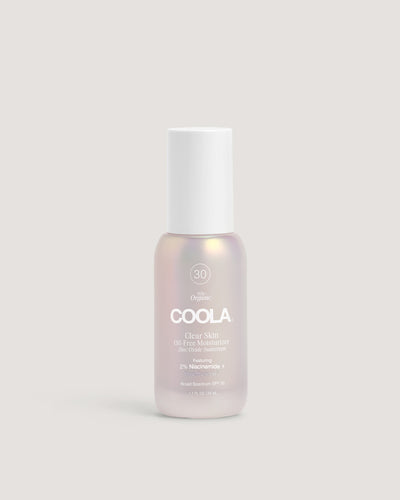
- Use a lightweight, oil-free SPF moisturizer if needed.
- Apply ½ teaspoon of face sunscreen for oily skin.
- Allow it to absorb fully before makeup.
- Use blotting paper to eliminate excess shine instead of layering powder immediately.
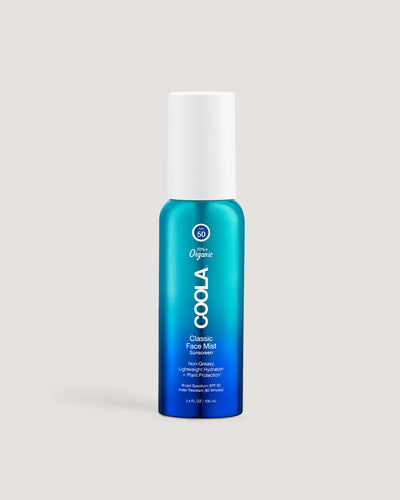
Reapplying sunscreen throughout the day is essential, even for those with oily skin. Our lightweight face sunscreen mist makes it easy to refresh SPF without adding heaviness, while the spf setting spray is ideal for reapplying over makeup with a soft, matte finish.
Frequently Asked Questions
Does sunscreen work for oily skin?
Yes, absolutely. Sunscreen protects oily skin from UV rays that can stimulate sebum production and damage skin health. Sunscreen for oily skin also delays the signs of premature aging and can mitigate dark spots. Choose a lightweight, non-comedogenic formula that ensures protection without clogging pores.
How can I prevent sunscreen from making my oily skin greasier?
Look for oil-free, fast-absorbing sunscreens, ideally those labeled non-comedogenic. Apply a small amount and let it absorb fully. You can also use blotting papers instead of layering heavy powders to prevent shine. Lightweight gel or fluid sunscreens often work best for preventing greasy skin.
How often should someone with oily skin reapply sunscreen?
Reapply your sunscreen every two hours during sun exposure. If you’re wearing makeup, use a lightweight SPF mist or powder sunscreen to maintain protection without adding excess shine.
The bottom line
Oily skin? It still needs protection from the sun’s rays. Choose a sunscreen for oily skin with a lightweight, non-comedogenic formula that won’t clog your pores. Go for SPF 30 or higher, but consider the texture as well, prioritizing light, fast-absorbing gels, liquids, lotions, or sprays.
Proper application of your sunscreen can help prevent excess shine, so don’t forget to reapply throughout the day. With the right sunscreen, you can create and maintain a beautiful, healthy glow, even with oily or combination skin.
Sources:
- Li D, Zhou Z, Yang X, Zhang Q, Xu J, Zouboulis CC, Xiang Q, Zhang S. A Comprehensive Review: The Bidirectional Role of Sebum in Skin Health. Bioengineering (Basel). 2025 Dec 6;12(12):1333. doi: 10.3390/bioengineering12121333. PMID: 41463630; PMCID: PMC12729757.
- Biology Insights. Can the Sun Cause Acne or Make It Worse? 2026 Aug 28. https://biologyinsights.com/can-the-sun-cause-acne-or-make-it-worse/
- NIH; National Institute of Arthritis and Musculoskeletal and Skin Diseases. Acne. 2023, July. https://www.niams.nih.gov/health-topics/acne
Shop Our Featured Products