
Can You Bring Spray Sunscreen on a Plane?
If you have a trip coming up, flying can be exciting, but figuring out what you can and cannot bring on a plane can be confusing. You might be wondering, can you bring spray sunscreen on a plane?
With quality travel-size sunscreen spray products available, you want to make sure you don’t get your favorite sunscreen confiscated by the TSA. Let’s navigate the rules to ensure you stay protected under the sun during your travels.
TSA Rules for Spray Sunscreen on Planes
Will TSA allow your travel-size spray sunscreen through airport security? The Transportation Security Administration (TSA) has specific rules regarding liquids, aerosols, and gels in carry-on luggage. Sunscreen, whether in lotion, gel, stick, or spray form, falls under these regulations. According to the TSA, any liquid, gel, or aerosol must be in a container of 3.4 ounces (100 milliliters) or less and must fit inside a quart-sized, clear plastic bag.1, 2
So, travel-size sunscreen is okay to take on an airplane as long as it follows these rules. As an additional guideline, the lid must be secure so that there’s no chance of the spray accidentally discharging.
What Types of Sunscreen Can You Bring on a Plane?
The answer depends on the format and whether it is packed in your carry-on or checked luggage.
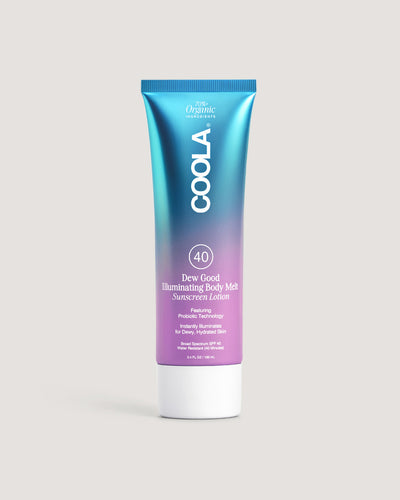
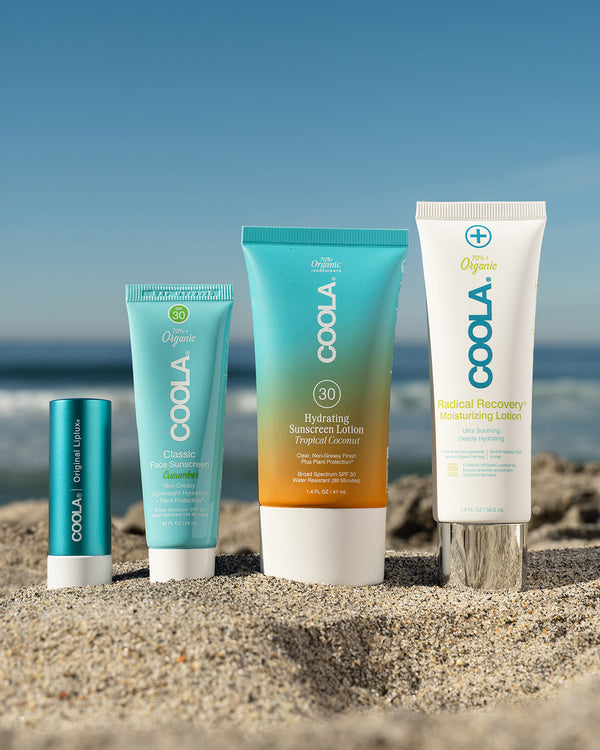
- Lotions and gels: Sunscreen lotions and gels can be packed in your carry-on, following the 3.4-ounce rule, or in larger quantities in your checked baggage. The good news is that many of your favorite COOLA products come in 3.4-ounce packs, including the hydrating body glow sunscreen.
- Sticks: Solid sunscreen sticks are not subject to the liquids rule and can be packed in your carry-on with no size limitation.
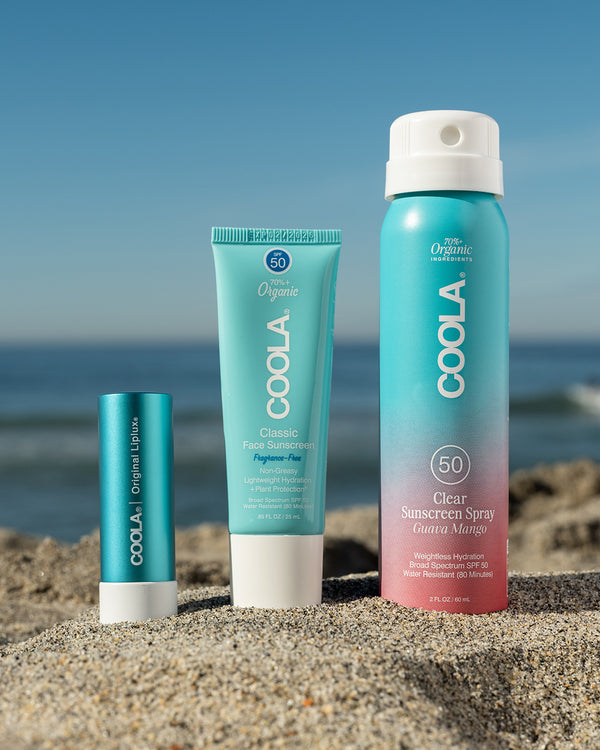
- Sprays: Spray sunscreen counts as a liquid under TSA rules. Travel-size bottles can go in your carry-on, but larger spray sunscreen bottles should be packed in checked luggage.
- Serums: If an SPF serum is part of your skincare and sun protection regimen, you must make sure that only travel-size bottles go in your carry-on bag.
Anything that is a liquid or could become a liquid, like gels or waxes, is subject to these rules, so don’t get caught off guard.
How to Pack Spray Sunscreen for Air Travel
When it comes to spray sunscreen, airplane carry-on rules apply. Mixing up your TSA-approved, travel-size sunscreen spray with your larger bottles could cause major delays at the airport. Here are some tips for packing efficiently:
- Use travel-sized containers: Purchase travel-sized versions of your favorite sunscreens or transfer your spray sunscreen into smaller containers.
- Label your TSA-okay bottles: Once you’ve checked that you can take your spray sunscreen on a plane, label it as TSA-approved so you don’t get it muddled with a slightly larger bottle.
- Seal and protect: Ensure that the spray nozzle is secure and consider using a plastic bag to prevent accidental activation during your trip.
- Pack a backup: Ultimately, the TSA agent you’re dealing with has the final say on what you can take on the plane. Pack some sunscreen wipes or make sure you’ve got spare lotion in your checked luggage, just in case they decide to confiscate your travel-size sun spray.
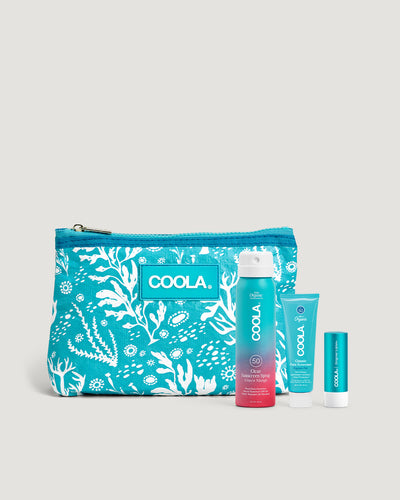
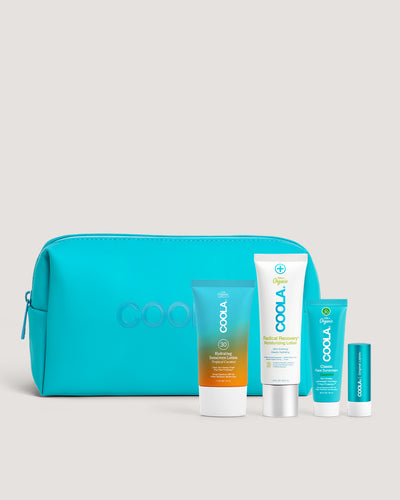
COOLA has a handy travel sunscreen section to help you pick sunscreen formats that are already TSA-approved, including curated sets like the 3-Piece Classic Suncare Travel Set and the Suncare Travel Essentials Set, designed with travel-size favorites that fit easily in your carry-on.

Tips for Packing Sunscreen in Checked Luggage
For those who need larger quantities of sunscreen, checked luggage is your best bet. Here’s how to pack your sunscreen safely:
- Check aerosol limits: While larger quantities are allowed in checked baggage, airlines often have limits on the total volume of aerosols. Check with your airline for specifics.
- Protect against leaks: Use plastic bags or wrap your sunscreen bottles in clothing to protect your other items from potential leaks.
- Avoid dangerous goods: Ensure your sunscreen doesn’t fall under any restricted categories like flammable aerosols, which might be subject to additional regulations.
Understanding Special Considerations for Aerosol Sunscreens
Aerosol sunscreens come with additional considerations because they are pressurized and may be classified as flammable products. Flammability is a significant safety issue, so it’s essential to always check the label and follow airline guidelines to avoid carrying prohibited items. To simplify your travel experience, consider non-aerosol formats like sunscreen lotions or sunscreen sticks, which are less restricted and easier to pack.
Navigating Sunscreen Regulations at Various Destinations
Some destinations have regulations around sunscreen ingredients to help protect marine ecosystems. For instance, Hawaii’s Act 104 prohibits the sale of sunscreens containing Oxybenzone and Octinoxate, which are believed to contribute to coral reef damage. If you're visiting Hawaii, it’s best to bring a reef-friendly sunscreen that complies with local guidelines.
In places like Mexico, there’s no federal ban, but certain marine parks and eco-reserves may require or recommend biodegradable or reef-safe sunscreens.3 Be sure to check the rules for your specific destination to stay informed and avoid any surprises.
Best Practices for Using Sunscreen During Air Travel
Sunscreen is essential during air travel, especially on long flights or when sitting near a window. Here’s why and how to stay protected:
- Apply before flying: Apply sunscreen before boarding, especially if you have a window seat where UV rays can penetrate.
- Reapply during long flights: If you're wondering how often you should reapply sunscreen on a long flight, remember to do so regularly to maintain protection. Keep a small, travel-sized sunscreen bottle in your hand luggage for easy access, and set a reminder on your phone to reapply every two hours.
Ensuring Comprehensive Travel Preparation
Before you head out, make sure you’re fully prepared:
- Final packing tips: To ensure you’ve got everything you need for a sun-safe trip, follow these travel packing tips. Pack travel-sized sunscreen bottles in your hand luggage for easy access, use resealable plastic bags to prevent spills, and consider bringing a hat and sunglasses for added protection.
- Double-check your bags: Confirm that all your toiletries, including sunscreen, meet TSA regulations to avoid delays.
FAQs
Can you take spray sunscreen on a plane?
Yes, you can bring spray sunscreen on a plane. For carry-on bags, the container needs to be 3.4 ounces (100 ml) or smaller and stored in your liquids bag during security screening.1 If your sunscreen bottle is larger, simply pack it in your checked luggage so you can stay sun-protected when you land.
Is sunscreen spray allowed in checked bags?
Yes, sunscreen spray can be packed in checked luggage, which is a great option if you want to bring a full-size bottle. Just make sure the cap is secure, and the bottle is protected in your bag to prevent leaks or accidental spraying during travel.
Are sunscreen sticks or lotions better for airport security?
Both sunscreen sticks and lotions work well for air travel, so it mostly comes down to personal preference. Sunscreen sticks can be convenient because they are solid and not subject to liquid limits, while lotion sunscreen is easy to pack in travel sizes that meet TSA requirements for carry-on bags.
Sources:
- Transportation Security Administration. "What Can I Bring? Sunscreen." TSA, 2025, https://www.tsa.gov/travel/security-screening/whatcanibring/items/sunscreen
- Transportation Security Administration. “Liquids, Aerosols, and Gels Rule.” TSA, 2025. https://www.tsa.gov/travel/security-screening/liquids-aerosols-gels-rule
- Lundqvist, C., & von Goetz, N. (2021). Sunscreens as a source of environmental pollution: A review. Environmental Sciences Europe, 33(1), 103. https://enveurope.springeropen.com/articles/10.1186/s12302-021-00515-w
Shop Our Featured Products