
Is Zinc Oxide Sunscreen Better for Skin and Suncare?
If you’re a sunscreen user, there are so many options out there. You’ve probably heard about zinc oxide sunscreen over the last few years.
Zinc as a sunblock is not just a buzzword or social media trend that SPF lovers have recently discovered. This type of mineral sunscreen happens to be one of the most common and effective ingredients available in physical sun blockers. This ingredient is supported by scientific, dermatologist-backed studies.1
Surprisingly, zinc oxide sunscreen is not where this multitasking mineral got its start in the world of skincare.
Zinc oxide was the hero ingredient in topical ointment products meant to soothe inflammation for nearly a century before its introduction as a sunblock. Think diaper rash creams and calamine lotions.
Zinc as a sunblock became a popular SPF option in the ‘80s when outdoor enthusiasts and lifeguards began using it as a thick layer of extra protection against sun damage. You’ve probably seen those photos, videos, and movies with lifeguards and their snowy-white nose creams!
Zinc oxide sunscreen has come a long way since its introduction into these body care products.
We’re here to answer a few questions about this important sunscreen product.
- What is zinc oxide sunscreen?
- Is zinc oxide sunscreen better than titanium dioxide?
- Is zinc oxide good for skin?
- Is zinc oxide safe?
- What advantages does zinc oxide have for skin health?
Keep reading to learn more about this vital ingredient for your skincare routine so you can decide if zinc as a sunblock is the right choice for you.
What is zinc oxide sunscreen?
Chemically speaking, zinc oxide is a naturally occurring mineral found in rocks made of zincite.2 It’s formed when the mineral zinc is oxidized, creating a white powder that doesn’t dissolve in water. Its insolubility in water makes zinc oxide ideal to mix with various gentle, lotion-based products.
Zinc as a sunblock is important for its anti-inflammatory and sun protection properties. It’s a common ingredient in mineral rather than chemical sunscreens because it acts as a shield from the sun’s rays that reflect ultraviolet radiation away from your skin. UVA and UVB rays are what cause sunburn.
Zinc is different from the filters found in traditional chemical sunscreens because mineral sunscreen filters sit on the surface of the skin to reflect sunlight, rather than absorbing into the skin as chemical sunscreens do.
Zinc typically provides a very gentle sunlight filter and is a great non-irritating choice for people with sensitive skin. It also works instantly to protect your skin from the sun because you don’t need to wait for your SPF to absorb, unlike the 15-minute wait time you have with chemical sunscreens.
Today’s mineral sunscreens have come a long way since they rose to popularity with pasty formulas in the ‘80s. Non-nano zinc oxide is now a lot more user-friendly and less likely to leave that dreaded thick, white cast that physical sunscreens were associated with in the past.3

Is zinc oxide sunscreen better than titanium dioxide?
Titanium dioxide and zinc oxide are both effective mineral sunscreen filters, especially when reflecting UVB rays. They’re also the only FDA-approved physical UV filters for sunscreen.
Is zinc oxide sunscreen better? Why? Let’s dig into the details of zinc oxide vs. titanium dioxide.
Zinc oxide sunscreen
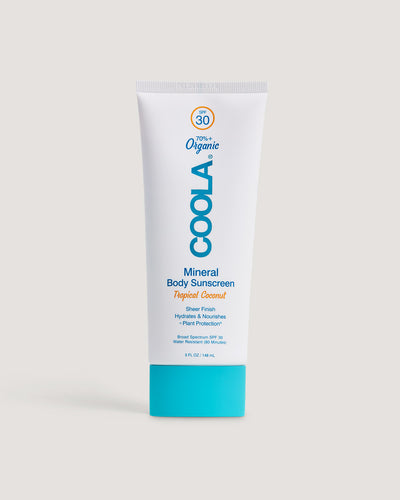
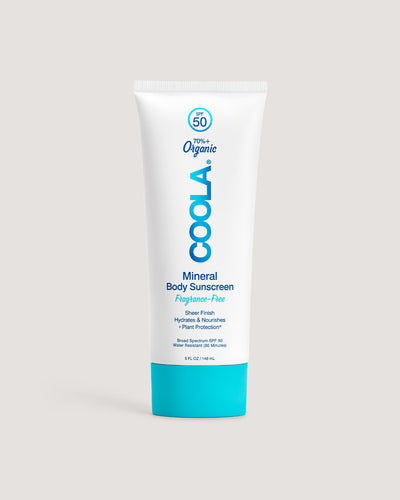
Zinc oxide protects against a broader range of UVA rays while covering the full spectrum of UVA/UVB rays on its own. The combination of both mineral active ingredients forms one of the most powerful barriers against the sun’s harmful rays. Take a look at our SPF 30 mineral body lotion for a fantastic way to prevent sun damage. Want more protection? Consider our SPF 50 mineral sunscreen body lotion for an extra boost.
Titanium dioxide sunscreen
Titanium dioxide protects from short-wave UVA and UVB rays. It’s effective at keeping sunscreen formulas lightweight while absorbing oil. That’s why the combination of zinc oxide and titanium oxide works exceptionally well together in suncare formulas, especially for those concerned about sunscreen causing acne.
Whether you choose sun protection with one or the other, both zinc as a sunblock and combined with titanium dioxide are effective physical sunscreen active ingredients. They aren’t on the list of sunscreen ingredients to avoid when shopping for your next SPF.
Is zinc oxide good for skin?
Zinc oxide is generally considered beneficial for most skin types. When used properly, zinc oxide doesn't irritate or aggravate skin, even if you have sensitive or acne-prone skin. It doesn’t even clog pores because formulas with zinc oxide mix well with lighter ingredients that sit on the skin.
Other benefits of zinc oxide include:
- Anti-inflammatory properties
- Acne-fighting mineral that can reduce the production of skin oils
- Wound healing
- Skin barrier protection
Is zinc oxide safe?
Scientists and dermatologists consider zinc oxide safe. When used as directed, it is considered non-toxic, does not penetrate the skin, and has been used in cosmetics and sunscreens for over a century. The U.S. FDA has determined that zinc oxide is safe for use in sunscreens and cosmetics in concentrations up to 25%.4
What advantages does zinc oxide have for skin health?
Zinc oxide is awesome at sun protection. But, as we alluded to earlier, it’s so much more than a sunblock.
Broad-spectrum UVA and UVB protection
Zinc oxide offers broad-spectrum sun protection. This means the mineral works by reflecting both UVA and UVB rays. This vaunted protection makes zinc as a sunblock one of the best ingredients you can find in physical sunscreens.
Promoting healthier skin
Using sunscreen daily, even in winter, is essential for healthy skin. Zinc oxide is a great filter against harmful UV rays and the damage they can cause, including premature aging and increased risk of skin cancer. Zinc oxide sunscreens are excellent for everyday use and outdoor activities such as jogging, cycling, and swimming.
Healing, anti-inflammatory properties
Zinc oxide has long been known for its soothing properties. Gentle on even the most sensitive skin types, it helps promote the healing of skin conditions from sunburns to diaper rash. It’s even helpful in preventing sunburn on lips!
This mineral is used to treat dermatological conditions and care for minor wounds. Applying zinc oxide may reduce redness and irritation and improve healing rates. It can even have anti-bacterial properties.
Exceptional for acne-prone and oily skin
Zinc oxide’s anti-inflammatory properties make it an exceptional ingredient for formulas designed for acne-prone skin. This mineral acts as an astringent for oily skin, preventing excess oil production. This can help balance the skin’s oil as it calms inflammation, potentially decreasing the risk of additional breakouts while calming existing breakouts and irritation.
If you have oily or acne-prone skin, we recommend our stick sunscreen for easy application that doesn’t get in your eyes. It’s also a no-mess product that fits in your purse or bag without taking up a lot of space.

Why do dermatologists recommend zinc oxide sunscreens?
Dermatologists recommend zinc oxide sunscreens for several reasons beyond just the sunblocking properties:
- Less irritating for skin conditions like rosacea, eczema, and acne
- Doesn’t absorb into the skin like chemical sunscreens, making it gentler on sensitive skin
- Soothes redness and irritation
- Promotes healing
- Doesn’t clog pores (non-comedogenic)
Who should use zinc oxide skincare products?
Everyone exposed to sunlight should use zinc as a sunblock.
People with certain skin conditions
We highly recommend these types of mineral formulas in skincare products for people with conditions like eczema or rosacea. That’s because of zinc oxide’s anti-inflammatory properties and gentleness on even sensitive skin.
People with acne-prone skin
You might shy away from using an SPF because you worry your acne-prone skin could break out at any time. This doesn’t have to be the case!
Using a gentle, calming daily sunscreen with zinc as its active ingredient offers excellent protection against skin irritation for those with acne-prone skin.
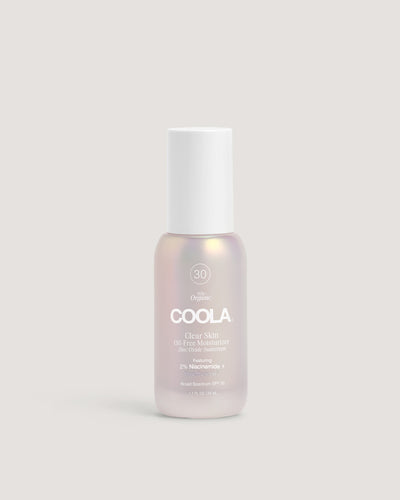
Consider a product with a calming SPF packed with zinc oxide, like our Clear Skin Oil-Free Moisturizer SPF, to protect your skin from the sun and reduce inflammation and oil buildup on your acne-prone skin. Our zinc oxide sunblock works especially well when used with other active skincare ingredients that treat acne.
People diagnosed with hyperpigmentation
Do you have hyperpigmentation? A zinc oxide sunscreen is a perfect choice because physical sunscreens don’t allow UV light to enter the skin. This could help avoid further pigmentation issues or redness.
Who shouldn't use zinc oxide skincare products?
There are some potential drawbacks to using zinc oxide on your skin. Who should avoid using this mineral wonder?
People prone to allergies
In most cases, zinc oxide is non-allergenic, anti-inflammatory, and even non-comedogenic. So, zinc as a sunblock is safe to use for most people.
But zinc oxide could cause an allergic reaction for some people. Zinc oxide could cause:
- Itching
- Swelling
- Rashes
If you are prone to allergies, consult your doctor before incorporating zinc oxide products into your routine. This goes for using it on your kids or babies, too. If you suspect a zinc oxide product has caused an allergic reaction, stop using it immediately and contact a medical professional.
People with a deeper skin tone
If you have a deeper skin tone, you may find that some formulas containing zinc oxide leave a gray or white cast on your skin. We recommend using a tinted version of this mineral sunscreen, which can help reduce or eliminate this cast. You can also try newer formulations, which may blend into the skin better than previous formulas.
We have some guides for how to care for your skin and face when using zinc oxide sunscreens. Check out how to remove mineral sunscreen properly so your skin maintains its healthy glow. If you worry about getting sunscreen in your eyes, read how to get sunscreen out of your eyes safely and effectively. We’re happy to help in
COOLA's commitment to healthy and safe sun protection
Zinc oxide sunscreen, like our mineral sunscreen collection is extra gentle on your skin. They’re great for babies, kids, or anyone with sensitive skin.
We’ve formulated lightweight mineral options, including mineral lotions and mineral sunscreen sprays, that go on light while delivering powerful, broad-spectrum protection. They feature genre-defying technology that allows our formulas to rub in sheer, meaning no one will notice you’re using them.
No matter what sunscreen works best for your lifestyle, you’ll find a COOLA organic, healthy, luxurious-feeling skincare product you love to wear every day.
Sources:
- Cleveland Clinic. Zinc Oxide Cream, Lotion, Paste, or Ointment. Published 2025. https://www.jaad.org/article/S0190-9622(17)31593-1/abstract
- American Chemical Society. Zinc oxide. Published September 2024. https://pubs.acs.org/doi/full/10.1021/acs.langmuir.4c00921
- Environmental Working Group (EWG). Nanoparticles in Sunscreens. Published May 2023. https://www.ewg.org/sunscreen/nanoparticles-in-sunscreen/
- Chemical Safety Facts. Zinc Oxide. Published October 2022. https://www.chemicalsafetyfacts.org/chemicals/zinc-oxide/
Shop Our Featured Products