
Does Sunscreen Prevent Tanning? The Science Behind It & Sun Protection Tips
You might be surprised to learn that sunscreen doesn't completely prevent tanning. While sunscreen helps protect your skin from harmful UV rays and reduces UV exposure, no sunscreen can block 100% of ultraviolet radiation.¹
That means some tanning can still occur, even when you're wearing sunscreen. However, sunscreen can help reduce the risk of sunburn and other forms of UV-related skin damage while you enjoy time outdoors.
So, can you still tan while wearing sunscreen? Here's what to know about the relationship between sunscreen, UV exposure, and tanning.
Can you still tan while wearing sunscreen?
Yes. Because sunscreen doesn't block all UV rays, some tanning may still occur over time.
Here's a look at how much UVB radiation common SPF levels help filter:
- SPF 15 filters approximately 93% of UVB rays.
- SPF 30 filters approximately 97%.
- SPF 50 filters approximately 98%.²
While higher SPF levels provide greater protection, no sunscreen completely blocks UV exposure.
How tanning happens
When your skin is exposed to UV radiation, it produces more melanin—the pigment responsible for your skin's natural color. As melanin production increases, the skin begins to darken.³
While many people associate a tan with a sun-kissed glow, tanning is actually a sign that the skin has been exposed to UV radiation.
Even when wearing sunscreen, small amounts of UV exposure can still reach the skin during prolonged time outdoors, which is why some tanning may still occur.
How sunscreen helps protect the skin
Broad-spectrum sunscreen helps protect against both UVA and UVB rays.
- UVA rays penetrate deeper into the skin and are associated with visible signs of premature aging.
- UVB rays are primarily responsible for sunburn and play a role in tanning.⁴
Whether you're spending the day at the beach, heading out for a hike, or enjoying lunch on a sunny patio, sunscreen helps support healthier sun habits and reduce UV exposure.
Dermatologists recommend using a minimum SPF of 30 when spending extended time outdoors. And make sure to check the local UV index to see how intense the sun’s rays are when heading outside.
Does sunscreen stop you from tanning completely?
No, sunscreen doesn’t completely prevent tanning because no SPF blocks 100% of the sun’s ultraviolet rays.
However, consistent sunscreen use can help reduce UV exposure and support healthier-looking skin while spending time outdoors. If tanning does occur, it often develops more gradually than it would without sunscreen.
How to choose the right sunscreen for tanning
If you're spending time outdoors, choosing a broad-spectrum sunscreen is essential. Because UVA rays are associated with premature skin aging and UVB rays are responsible for sunburn, protecting against both is important for maintaining healthy-looking skin.
Find a formula that fits your lifestyle
The best sunscreen is the one you'll enjoy using consistently.
Choosing a sunscreen that works with your skin type, personal preferences, and daily routine can make it easier to maintain healthy SPF habits. Whether you prefer lotions, sprays, or sticks, there are a variety of formats designed to fit different lifestyles and application preferences.
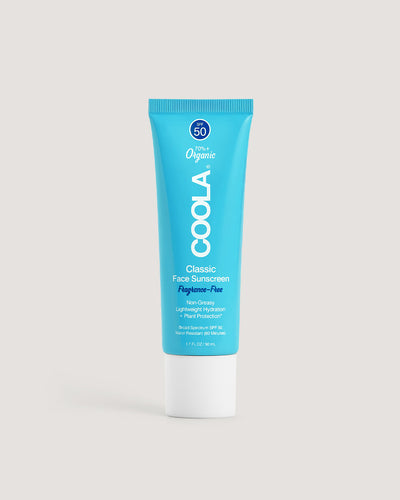
- Lotions are ideal for full-body coverage and everyday use.
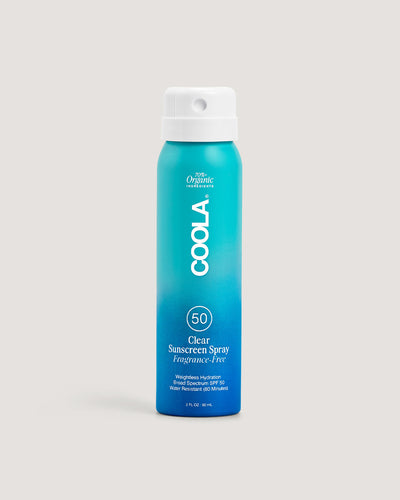
- Sprays offer quick, convenient application for active days outdoors.
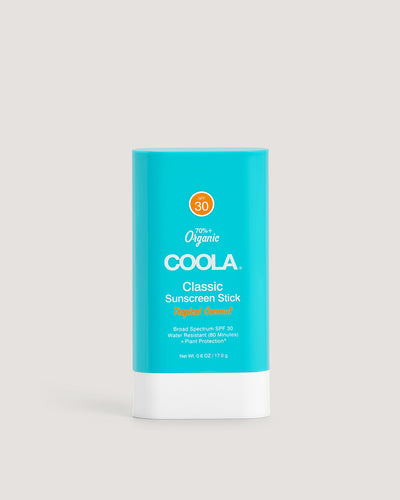
- Sticks are easy to toss into a bag for touch-ups on the go.
Your planned activities can also influence which sunscreen is best for you. For activities such as swimming, exercising or spending extended periods outdoors, consider a water-resistant or sweat-resistant sunscreen to help maintain protection during periods of increased moisture and perspiration.
Broad-spectrum & SPF levels
Dermatologists recommend using a broad-spectrum SPF of at least 30 when spending time outdoors. Apply at least 1 ounce of broad-spectrum sunscreen (about the size of a 1-ounce shot glass) every two hours to adequately cover your body.
Tips for achieving & maintaining a more even-looking tan
While sunscreen does not completely prevent tanning, there are a few ways to help promote a more even-looking result while prioritizing sun protection:
- Exfoliate before sun exposure to help remove dry skin buildup.
- Stay hydrated to support overall skin health.
- Change positions periodically to help encourage more even sun exposure.
- Take breaks from direct sunlight when needed, either under an umbrella or heading indoors.
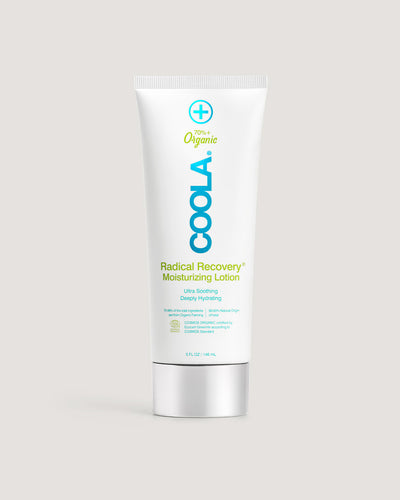
- Incorporate after-sun lotion into a post-sun routine to help replenish moisture.
How to apply sunscreen for effective protection
Proper sunscreen application is essential for getting the level of protection listed on the label.
For best results:
- Apply a generous amount of sunscreen to all exposed skin.
- Apply sunscreen at least 15–20 minutes before sun exposure.
- Reapply sunscreen regularly throughout the day, especially after swimming or sweating.
- Don't forget commonly missed areas such as the ears, neck, eyelids, nose, and hairline.
Additional ways to help protect your skin in the sun
Sunscreen is only one part of a complete sun protection routine.
Additional ways to help protect your skin include:
- Wear a broad-rimmed hat and UV-blocking sunglasses.
- Seek shade during peak UV hours, usually between 10 a.m. and 2 p.m.
- Wear lightweight protective clothing, such as a cotton shirt and pants.
- Monitor the time you spend in direct sunlight and how long your sunscreen lasts.
- Pay attention to your skin. If it starts to feel burned, move to a shaded area, apply additional sunscreen, or head indoors.
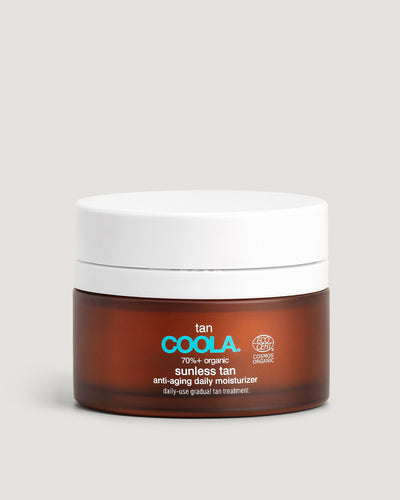
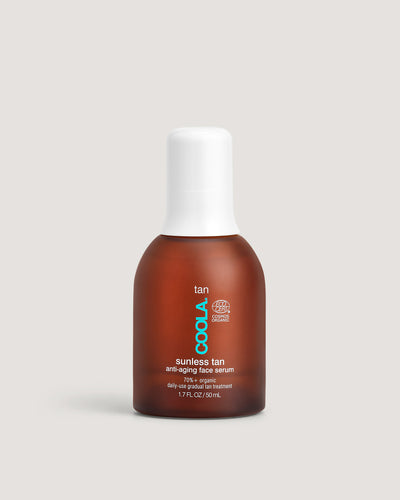
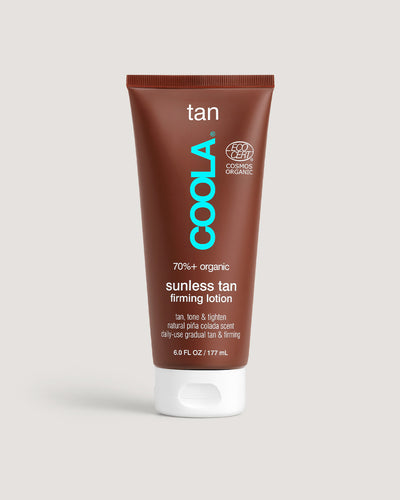
If you're looking for a sun-kissed glow without prolonged UV exposure, sunless tanning products can be a great alternative.
Understanding the relationship between sunscreen and tanning
Whether you're spending the day at the beach, exploring a new destination, or enjoying time outdoors with friends and family, making sun protection part of your routine can help support healthy-looking skin while allowing you to enjoy the moments you love in the sun.
Daily SPF, regular reapplication, and smart sun habits can all help you make the most of your time outdoors while prioritizing your skin's long-term health.
Frequently Asked Questions
Q. Can you still tan with SPF 50?
A. Yes. SPF 50 helps reduce UV exposure, but it does not block 100% of UV rays. Because some UV radiation can still reach the skin, tanning may still occur over time.
Q. Does sunscreen prevent tanning or just sunburn?
A. Sunscreen helps reduce the risk of both tanning and sunburn by limiting UV exposure. However, no sunscreen can completely block all UV rays, which is why some tanning may still occur, even when sunscreen is applied correctly.
Q. What SPF is best for tanning?
A. If you're spending time outdoors, dermatologists generally recommend using a broad-spectrum sunscreen with SPF 30 or higher.
Sources:
-
Cleveland Clinic. “How Sunscreen Affects Tanning.” March 11, 2025. https://health.clevelandclinic.org/does-sunscreen-prevent-tanning
-
Godwin, Lloyd. “Understanding SPF: What Do Those Numbers Actually Mean?” Dermatology Physicians of Connecticut. May 14, 2025. https://dermatologyofct.com/understanding-spf-what-do-those-numbers-actually-mean/
-
Watson, Meg, et. al. “Ultraviolet Radiation Exposure and Its Impact on Skin Cancer Risk.” Seminars in Oncology Nursing. July 29, 2016. https://pmc.ncbi.nlm.nih.gov/articles/PMC5036351/
-
Skin Cancer Foundation. “UV Radiation & Your Skin.” https://www.skincancer.org/risk-factors/uv-radiation/
Shop Our Featured Products