
Can You Mix Foundation With Sunscreen?
Dermatologists don’t recommend mixing foundation with sunscreen because it can reduce SPF effectiveness. Instead, they advise layering your sunscreen under your makeup, ensuring it’s fully absorbed before applying makeup.1
Some makeup products may have a little sun protection, such as added SPF in foundation, so you might wonder, can you mix foundation with sunscreen? Unfortunately, doing this can cause problems with both your SPF products and your makeup.
Let’s take a closer look at why mixing foundation with sunscreen isn’t a great idea, and learn the correct way to apply makeup over your SPF.
Does mixing foundation with sunscreen reduce SPF?
Foundation and sunscreen do work together, so can you mix sunscreen with foundation? It’s not recommended because you’re diluting the SPF and immediately impacting its concentration and effectiveness.
Diluted sunscreen offers less protection, and uneven blending can lead to patchy coverage, leaving some areas of your face more prone to UV damage than others. The recommended amount of SPF 30, for example, is half a teaspoon applied evenly over your face and neck. If you mix this amount into your foundation, only a tiny amount of that is going to make it onto your face. Most of what you apply will be foundation.
Additionally, you’ll more than likely find that it alters the look of your favorite makeup, making both products less effective.

Can you apply foundation over sunscreen?
Yes, aim to always apply your foundation over your SPF products. Once your skin has fully absorbed the sunscreen, you can apply other products, including foundation.
Apply your sunscreen and wait 60 to 90 seconds before starting on your makeup. If you like a smoother, soft-focus base, you can apply a blurring primer after your sunscreen has set. This helps create a seamless surface for the foundation while delivering additional invisible SPF protection.
Use gentle pressing or stippling motions with your makeup for an even look. Aggressive rubbing or overblending can lead to a patchy finish and may disrupt your SPF layer.
Which works better: chemical or mineral sunscreen under makeup?
Mineral sunscreen, sometimes called physical sunscreen, uses ingredients like Zinc Oxide and Titanium Oxide to create a physical barrier that mitigates UV damage. Chemical sunscreen, on the other hand, soaks into your skin and absorbs UV rays. Understanding how mineral vs chemical SPF formulas differ can help you decide which texture and finish will layer best under your makeup.
Both have their benefits. Mineral sunscreen provides a soft, sheer layer on skin, while chemical sunscreen offers a lightweight, comfortable finish. With different textures and wear, each can pair beautifully with makeup, depending on your skin type and preferences.
You may need to avoid sunscreen pilling, where SPF forms small balls or flakes that can look unsightly. This is usually caused by incompatible products. For example, using a silicone-based foundation layered over a water-based sunscreen will likely pill. This is another reason mixing foundation and sunscreen into a single product isn’t a great idea, as the two products may not combine effectively into a single substance.
How to apply sunscreen under makeup
Your simple, step-by-step guide to applying sunscreen under makeup:
- Apply ½ teaspoon of sunscreen evenly to your face and neck.
- Allow the sunscreen to absorb for 60 to 90 seconds.
- Apply makeup primer with spf if desired.
- Apply your foundation using gentle pressing motions.
- Reapply your SPF throughout the day.
Reapplication matters, even if you’re wearing makeup. Experts recommend reapplication every two hours, especially if you’re spending time outdoors or otherwise exposed to sunlight. Even sunlight through a window or through a layer of cloud can cause damage, so be vigilant about reapplication.
How to reapply sunscreen over makeup without ruining it
Why is reapplication of sunscreen necessary if you’ve layered it under your makeup? The fact is that UV exposure can cause sunscreen to break down, even under makeup. Sweat and oil on your skin can also disrupt the protective nature of your SPF products. When you’re out in the sun, your skin produces excess oil, making it even more important to reapply sunscreen frequently.
Of course, you don’t want to remove all your makeup every time you need to reapply. Instead, use sunscreen formats that work with your face to protect and even enhance your chosen look.
An SPF setting spray is a weightless mist that locks in your look and completes it with a soft, matte finish. It’s water-resistant and helps you maintain your makeup throughout the day. Mist it directly over your makeup for easy reapplication of your sunscreen.
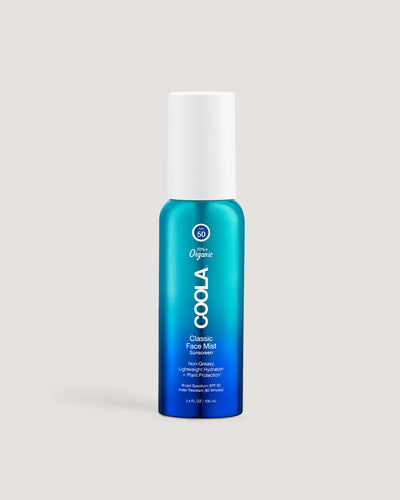
Classic face sunscreen mists are another simple way to reapply SPF. Available in SPF 50, they offer exceptional protection, and many have skincare-forward ingredients for additional nourishment. A simple spray is all you need for instant protection with no smudges.
You may also be able to source SPF powder in a cushion-style compact. A gentle press of the powder helps reduce shine and mitigate UV damage.
All of these formats are highly portable, so you can reapply SPF every two hours as needed for continuous protection, without disrupting your carefully applied makeup.
The bottom line
Can you mix your foundation with sunscreen? You can, but it’s not recommended. Doing so dilutes your SPF and makes it much less effective, and it can make your foundation streaky and uneven. Blending becomes a nightmare, and none of your products work the way they’re supposed to.
Instead, layer your SPF and foundation, applying sunscreen and waiting for it to absorb before working on your makeup. Use the correct amount per the product’s instructions and remember to always reapply throughout the day.
Layering in this way preserves the effectiveness of sunscreen and improves the finish of your makeup, particularly when you take the time to ensure your formulas are compatible. Your SPF could be the key to longer-lasting, better-looking makeup as well as effective protection from UV radiation.
Frequently Asked Questions
Does mixing foundation with sunscreen make it less effective?
Yes, mixing foundation and sunscreen dilutes SPF and makes it less effective. Layer your SPF under your sunscreen, consider which types of sunscreen and foundation are compatible, and look for ingredients that may benefit your skin type.
Should sunscreen go on before or after foundation?
Sunscreen should always be applied before foundation to create a base layer of UV protection. Wear sunscreen every day and always let it absorb fully before applying your makeup. You can reapply sunscreen via mists or sprays that may even improve the finish of your makeup.
How long should I wait between applying sunscreen and makeup?
Apply sunscreen evenly to the face and neck, then wait 60 to 90 seconds to ensure it has fully absorbed and no product remains visible on the skin. This can prevent pilling and help you achieve a more even look to your foundation and other makeup products.
Is SPF in foundation enough protection?
No, SPF in foundation rarely provides meaningful protection against UV rays. Instead, look for fast-absorbing, lightweight, broad-spectrum SPF that you can layer underneath your foundation. This provides a layer of sun protection that can also double as an effective base for your makeup.
Can I mix sunscreen with tinted moisturizer?
Dermatologists don’t recommend mixing sunscreen and foundation. Blending products in this way reduces their efficacy, leaving you with reduced SPF protection and potentially streaky foundation that’s much harder to apply. Instead, layer your SPF under your foundation for the best sun protection or choose a sunscreen with a tint for buildable coverage and a radiant finish.
Sources:
- L. Baumann, MD. Skin Type Solutions, Can You Mix Foundation or Tinted Moisturizer with Sunscreen? https://skintypesolutions.com/blogs/skincare/mix-foundation-or-tinted-moisturizer-with-sunscreen
Shop Our Featured Products